Top 6 Online Piano Lessons That Actually Work
Find the best online piano lesson platforms for beginners and pros. From structured courses to live teachers, here's what's worth your time.

Written by Kevin Christensen
Learning piano has never been more accessible. Whether you're a complete beginner or someone returning to the keys after years away, online piano lessons let you learn at your own pace without leaving home. Over 40 million people worldwide play the piano, and a growing share of them started — or continued — their journey online. If you've been on the fence about trying an online platform, this guide will help you pick the right one.
Explore our full list of learn instrument tools to find even more resources for your musical journey.
The Best Online Piano Lesson Platforms

Learn any instrument with over 200 step-by-step courses. Access multi-angle videos, backing tracks, and interactive tools for all ages and abilities.
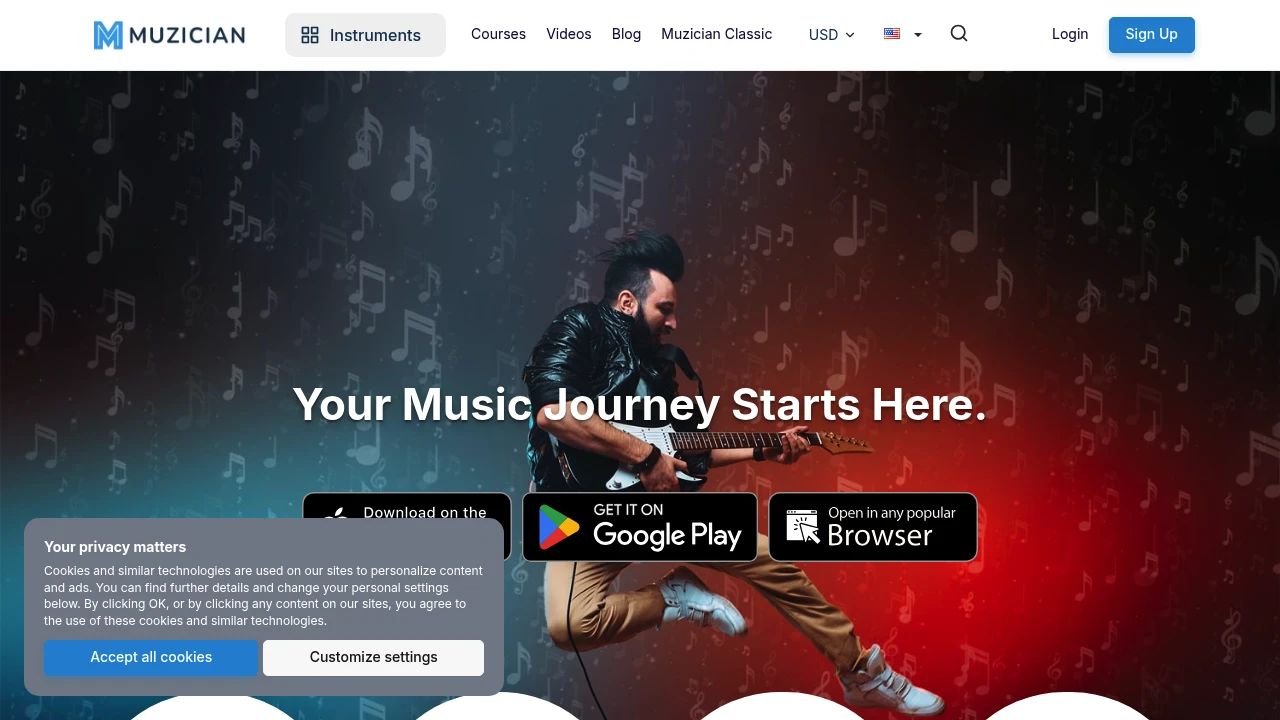
Muzician is a comprehensive music learning platform with 200+ professional piano courses covering everything from your first chord to advanced technique. Multi-angle video, scrolling scores, backing tracks, and downloadable PDFs make it one of the most complete platforms available — and you can get started for free without a credit card.

Accelerate your piano skills with interactive software designed by teachers. Get instant feedback, track your progress, and learn from over 25,000 songs.
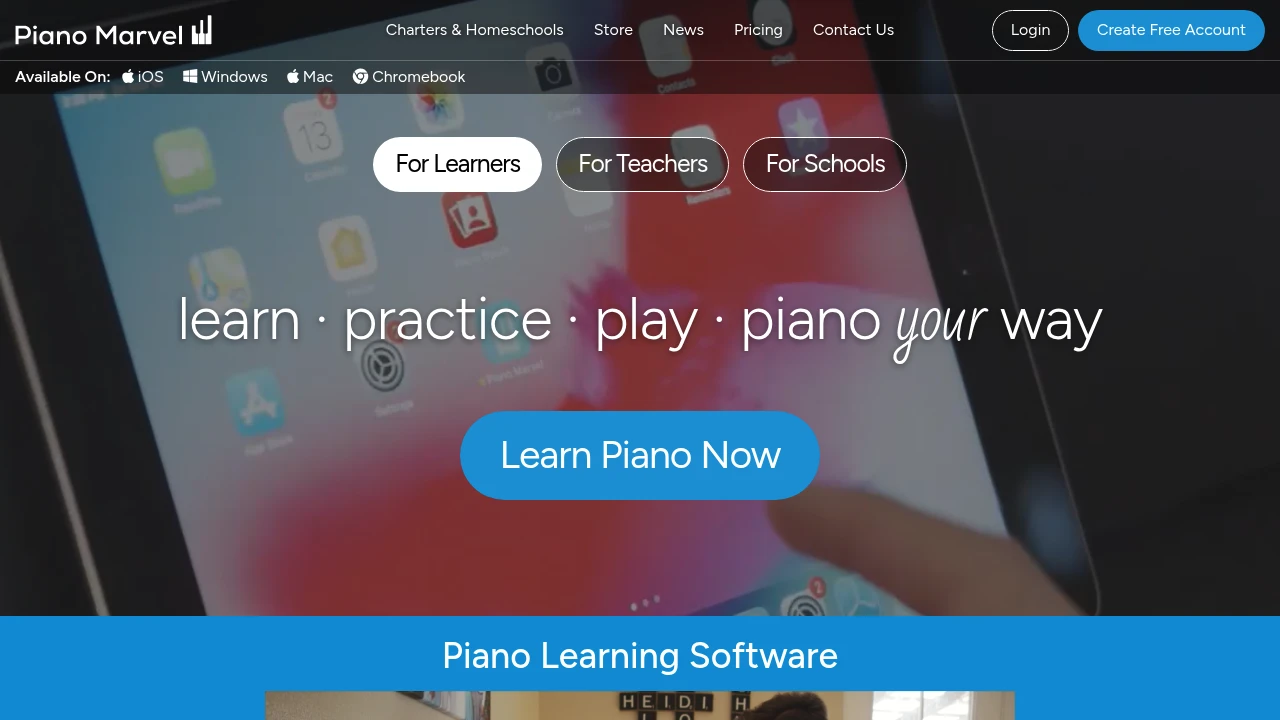
Piano Marvel is a top pick for classical-leaning learners, offering over 25,000 songs alongside built-in assessment tools that track your sight-reading progress. Its curriculum closely mirrors traditional print methods, making it ideal if you want a structured, teacher-style experience.

Learn piano with step-by-step video lessons from world-class teachers. Get unlimited personal support and play your favorite songs. 90-day guarantee.
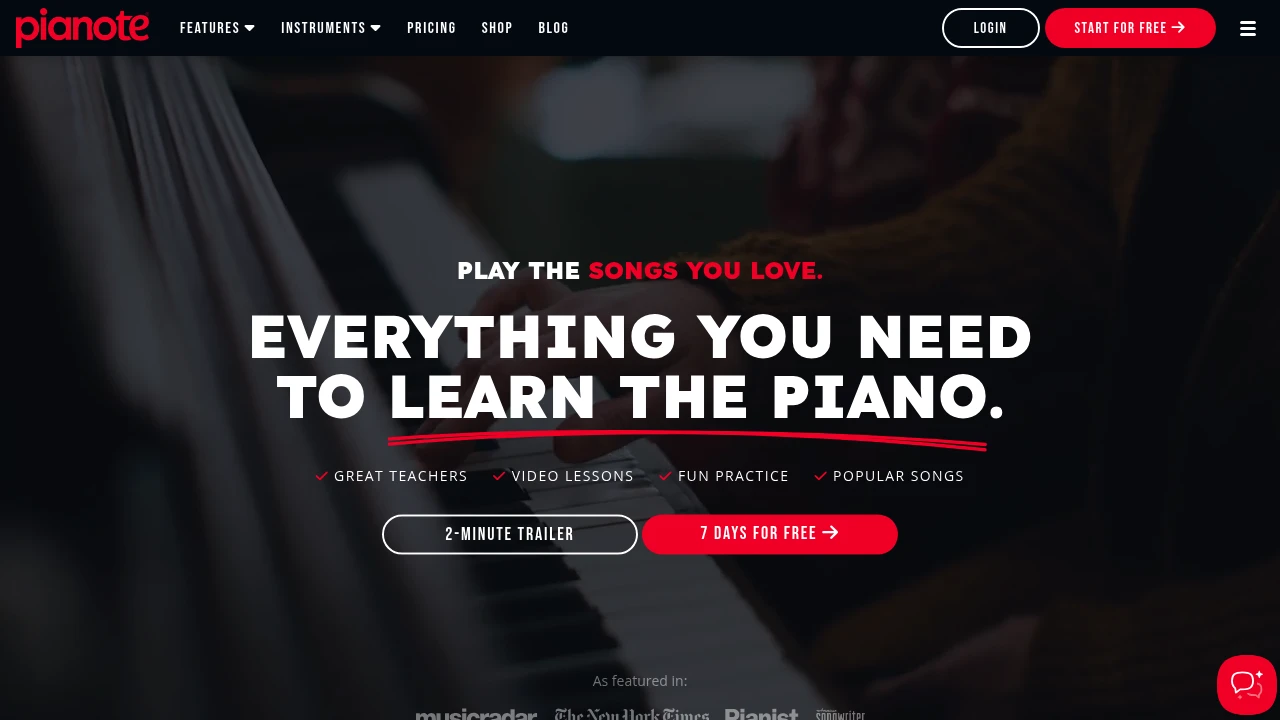
Pianote combines video-based lessons with a thriving online community and weekly live-stream events where you can interact directly with instructors. Its song library is one of the most extensive on any platform, with high-quality arrangements across genres.

Get instant feedback as you learn your favorite songs on piano. Access thousands of arrangements and step-by-step courses covering theory, chords, and more.
Flowkey is built for learners who want to learn through songs from day one. Its "Wait Mode" pauses the track until you play the correct notes, making it forgiving and great for building muscle memory. The calm, distraction-free interface is especially popular with adult beginners.

Learn piano with lessons from world-class teachers and play your favorite songs. Get real-time feedback, backing tracks, and a fun, game-like experience.
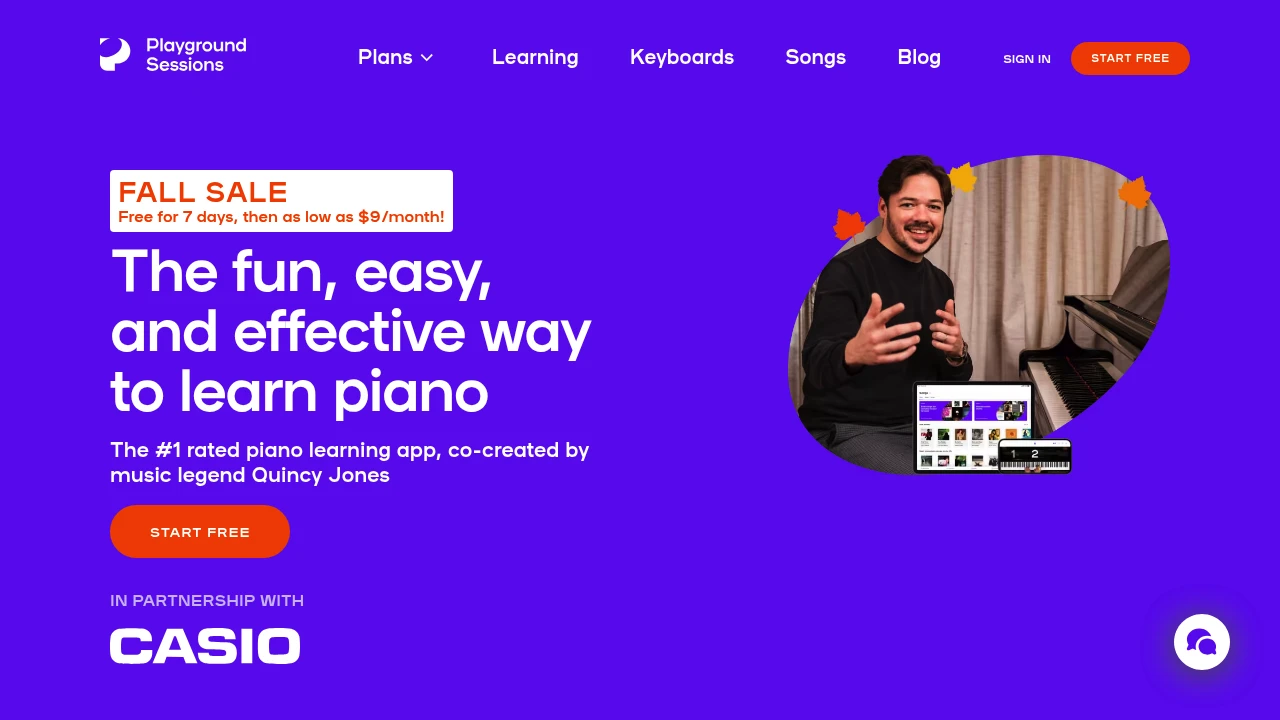
Playground Sessions centers its curriculum around popular songs you actually want to play. The platform is split into Bootcamp basics, themed Courses, and a song library of over 2,000 tracks with real-time visual feedback when connected to a MIDI device.

Master the piano with interactive lessons that adapt to your skill level. Get real-time feedback and start playing your favorite songs. Works with any piano or keyboard.
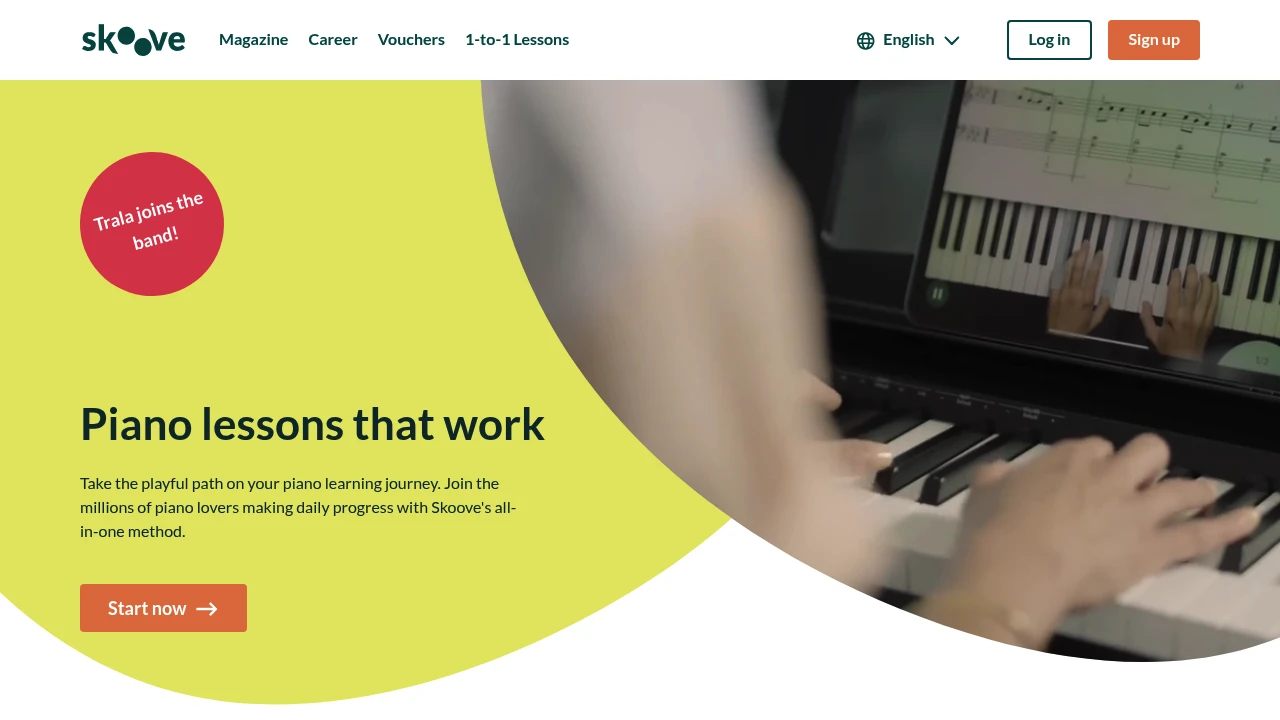
Skoove takes a teacher-style approach to online lessons, listening to your playing and offering personalized feedback after each exercise. It covers theory, technique, and repertoire in a balanced way that suits both beginners and intermediate players.
What to Look for in an Online Piano Platform
Choosing a platform isn't just about picking the most popular name. Here's what actually matters when comparing your options.
Structured Progression vs. Song-First Learning
Some platforms — like Piano Marvel and Muzician — follow a curriculum-based approach that builds skills methodically, similar to studying with a private teacher. Others, like Flowkey and Simply Piano, lead with songs and layer in theory as you go. Neither is wrong. If you want to read music well and understand what you're playing, go curriculum-first. If staying motivated is your bigger challenge, a song-first approach keeps things fun.
Interactive Feedback
Real-time feedback is one of the biggest advantages online platforms have over static video courses. Platforms that listen to your playing via a MIDI keyboard — Simply Piano, Playground Sessions, Skoove — can catch mistakes instantly. If you don't have a MIDI keyboard yet, look for platforms that still teach effectively without one.
Community and Live Support
Solo practice can feel isolating. Platforms like Pianote with live events and community forums add a social layer that keeps many learners accountable. If you've struggled to stay consistent in the past, a platform with regular live sessions or active student communities can make a real difference.
Content Depth
Beginner content is easy to find. What separates good platforms from great ones is how far they take you. Before committing, check whether a platform covers the styles you care about — jazz, classical, pop, or gospel — and whether it has material at intermediate and advanced levels.
Do You Need a Piano or Keyboard to Start?
You don't need a grand piano or even an expensive digital keyboard to get started. A basic 61-key MIDI keyboard is enough for most beginner and intermediate lesson platforms. If budget is a concern, a 49-key option works for early lessons. What matters most in the beginning is consistency and access — a small keyboard you actually sit down at beats an expensive one collecting dust.
For a deeper look at how to build effective practice habits, check out our post on how to practice music effectively.
Free vs. Paid: Is It Worth Paying?
Many platforms offer free tiers or trials — Muzician lets you start without a credit card, and Flowkey and Simply Piano both offer limited free versions. Free tiers are a great way to test a platform's teaching style before committing. That said, most serious learners hit the ceiling of free content quickly. Paid subscriptions typically run $10–$20/month and unlock the full course library, feedback features, and community access. For the price of a single in-person lesson, you get a full month of on-demand instruction.
Tips for Getting the Most Out of Online Piano Lessons
Online lessons give you flexibility, but that same flexibility can work against you without some structure. A few things that help:
- Set a consistent practice schedule, even if it's just 20 minutes a day
- Use a metronome — slow, accurate practice beats fast, sloppy playing every time
- Record yourself occasionally to catch habits you can't hear in the moment
- Don't skip the boring fundamentals. Scales and theory pay off later
Conclusion
Online piano lessons have genuinely leveled the playing field. You no longer need to live near a great teacher or afford $60/hour private lessons to make real progress. Platforms like Muzician, Piano Marvel, and Pianote give you structured, expert-led instruction you can work through at your own pace. Whether you're brand new to the instrument or picking it back up after years away, there's a platform here that fits your learning style and budget. The best time to start was yesterday — the second best is right now.
 SparkReceipt — Every gig leaves a paper trail. Capture receipts on the road and keep your records tax-ready.