Music Release Management: A Clear 6-Step Checklist
Use this music release management checklist to organize assets, metadata, deadlines, and promotion before your next release goes live with less stress.

Written by Kevin Christensen
A release can feel finished when the master is approved, but the operational work is only starting. Music release management organizes the files, rights information, deadlines, people, and promotion that move a finished track toward a reliable release.
A simple system protects your time. It makes it easier to catch a missing credit, late asset, or delivery problem before release week. This six-step checklist gives independent artists, managers, and small labels a practical process, alongside music release management tools that can keep the work in one place.
Start with one release brief
Create one source of truth before asking anyone to deliver work. It can be a shared document, project board, or dedicated release workspace. What matters is that everyone knows where final decisions live.
Include the release date, primary artist, collaborators, master owner, distributor, lead contact, and every deadline. Give each task a simple status: not started, waiting, ready for review, or complete. That removes the recurring question: “Which version are we using?”
Keep it focused. A one-song release does not need a label-sized operations manual, but it does need one owner for every decision and one version-controlled home for final audio, artwork, copy, and credits.
Lock the audio, credits, and identifiers
Do not treat metadata as an end-stage form. Capture the final track title, artist names, songwriter and producer credits, explicit-content status, and splits while contributors can still check them.
For recordings, keep the ISRC beside its reference metadata. The US ISRC Agency says an ISRC is a unique, permanent identifier for a specific recording and recommends keeping records of each code and related metadata. Rights and registration needs vary by territory, so confirm your own arrangements with the relevant distributor, collecting society, or adviser.
Before delivery, check that:
- Final masters and approved alternate versions are clearly named.
- Artwork is the approved release artwork, not a social-media crop.
- Contributor names and roles are confirmed in writing.
- Ownership, splits, samples, and permissions are resolved or flagged.
- Distributor metadata matches the release brief.
That comparison is not exciting, but it is far easier than correcting public credits after release day.
Build the delivery timeline backwards
Choose the public release date, then work backwards from opportunities that need lead time. Your distributor and platforms may set their own delivery windows, so follow their current guidance rather than using a universal calendar.
Spotify’s current guidance says you can pitch an unreleased song to playlist editors through Spotify for Artists and advises delivering music at least seven days before release. This is a platform-specific opportunity, not a promise of editorial placement. Leave additional room for corrections, artwork changes, and collaborator approvals.
Separate three kinds of dates:
- Locked dates: release day, delivery deadline, and final master deadline.
- Review dates: approvals for art, metadata, copy, and links.
- Promotion dates: teaser, pre-save, email, video, press, and follow-up posts.
Dependencies should be visible. A pre-save link cannot be shared until it exists. A lyric clip should not be scheduled against an unapproved mix. If a date moves, update the plan once and tell the whole team.
Choose a workflow that fits your team
Spreadsheets work for a simple release. As your catalog, collaborators, or release frequency grows, a music-specific workspace can reduce duplicate entries and scattered approvals. Choose software for the tasks you repeat, not for the length of its feature list.

An all-in-one platform to manage your song catalog, auto-fill metadata, sign split sheets, and prepare every track for release and sync licensing.

TrackStage is a published GetMusicTools listing for songwriters, composers, and producers who want connected catalog details, release preparation, files, and split-sheet work.

Plan music releases, assign tasks, and see what's due across your roster. A workspace built for labels and artist managers to keep projects moving.
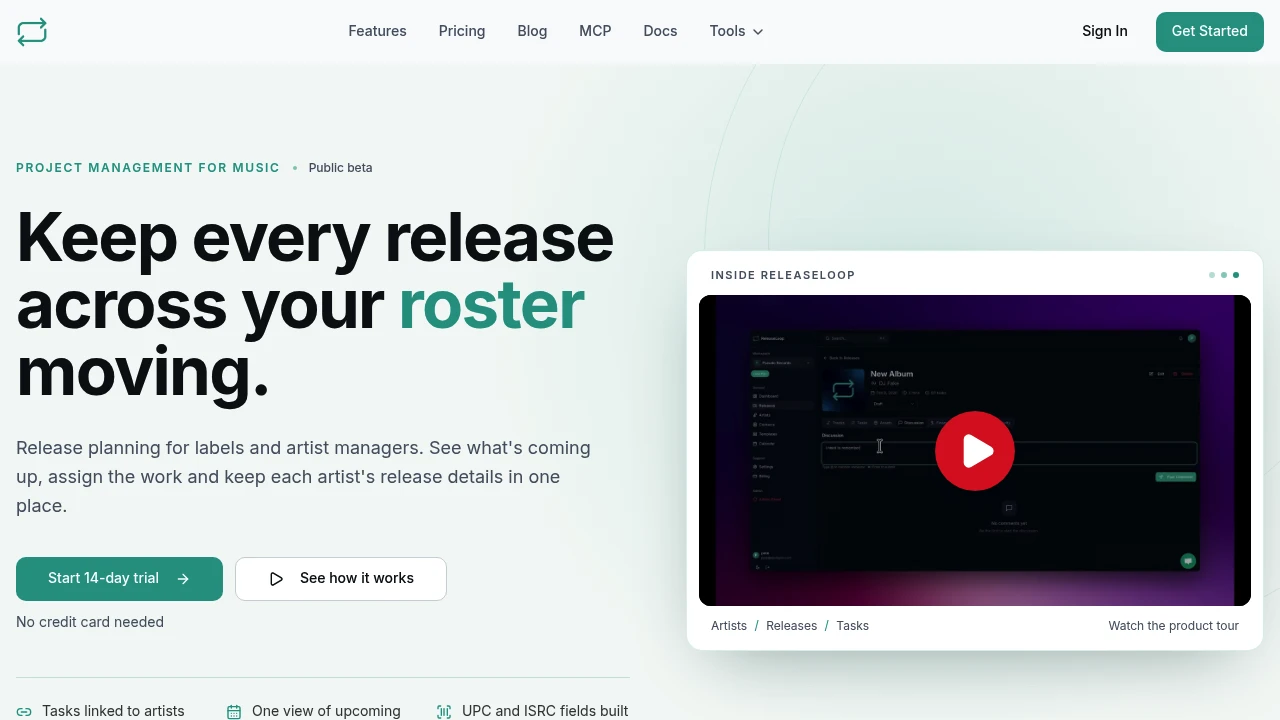
ReleaseLoop is a published listing for labels and artist managers who need release-based tasks, calendars, and roster-level visibility across projects.

An all-in-one platform for independent artists and labels to manage releases, finances, contracts, and promotion from a single dashboard.
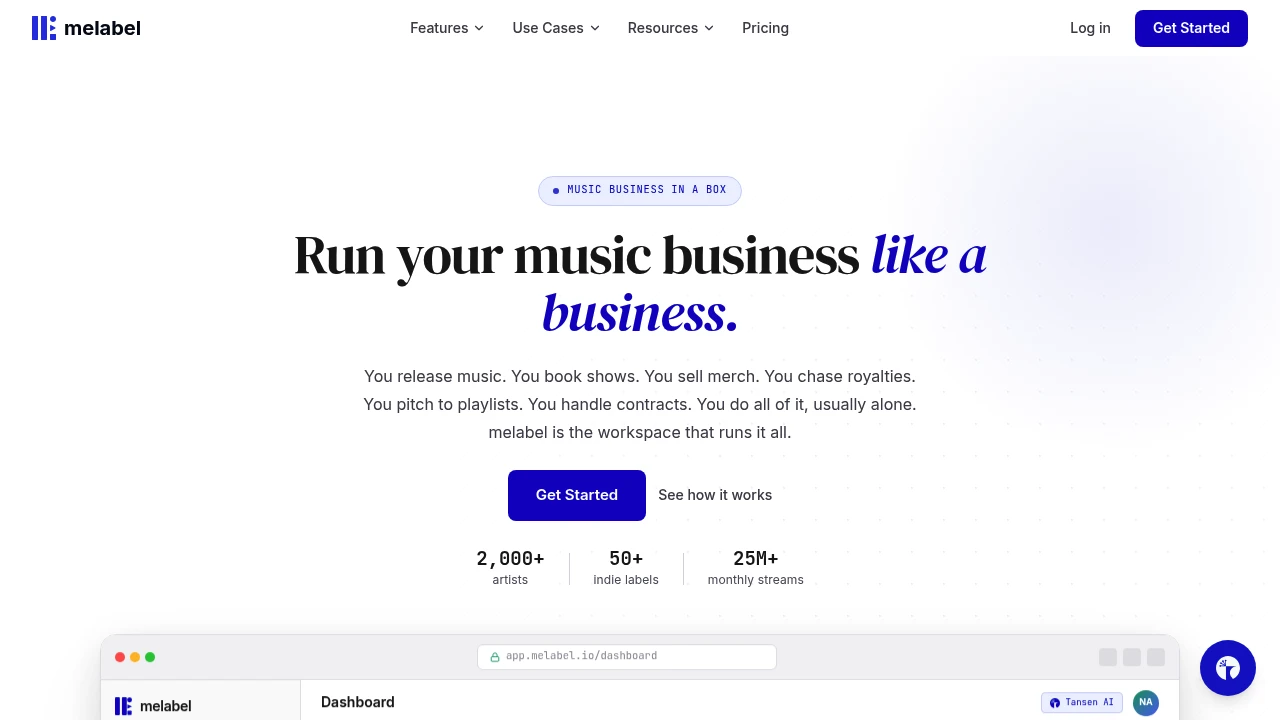
melabel is a published listing for independent artists and labels that brings catalog, finance, contract, promotion, and project information into one workspace.
For a single artist, a shared checklist and disciplined folder structure may be enough. For a manager or label, look for clear permissions, a release-level calendar, assigned owners, and an exportable metadata record. If you are still deciding how to get music to services, read our guide to music distribution before committing to a workflow.
Prepare promotion as release assets
Promotion is easier when you prepare a small asset kit before delivery. Start with approved cover art, a short song description, clean and explicit copy where relevant, smart links when available, and a list of people who can help share the release.
Make the work specific. Decide what you will post, when you will send email, which collaborators receive copy, and where fans should go next. Do not confuse activity with a plan: two useful pieces of content that direct listeners well can outperform five rushed posts.
Connect the launch to a wider business goal when appropriate. A live artist might collect email sign-ups before a tour announcement. A producer might point listeners toward sample packs or services. Those choices belong in a sustainable plan for revenue streams for musicians, not in a scramble after the track is live.
Review, launch, and preserve the record
On the day before release, use fresh eyes. Check the final title, artist profile, artwork, credits, links, scheduled posts, and contact details. After release, confirm availability on services that matter to your audience, then record any issue with platform, territory, link, date, and owner.
Preserve the release brief after launch. Keep final metadata, artwork, master location, identifiers, distribution record, promotional links, and a short post-release note in the same place. That record helps when you create an edit, submit a sync pitch, revisit credits, or plan the next campaign.
Good music release management is not about making artists work like a large label. It gives your music a reliable path from final master to public release. Start small: one brief, one checklist, one accountable owner for each task, and one place where final files and decisions live.
The best system is the one your team will update. If you release alone, that may be a repeatable template and simple calendar. If you coordinate writers, producers, managers, or multiple artists, a release workspace can make deadlines and handoffs clearer. Either way, do not wait for the final mix to think about the release.
Use this checklist on your next project. Lock the core facts first: who owns the recording, what the final version is called, and when it must be delivered. Set review dates with enough margin for corrections. Prepare the few promotional assets that genuinely serve listeners. After launch, save the final record and note what slowed the team down.
That short review turns a checklist into a better operating system. Releases will still have surprises, but you will spend less time searching for files, chasing confirmations, and rebuilding the same plan. More importantly, you will have more attention left for the music and the people hearing it.

 SparkReceipt — Every gig leaves a paper trail. Capture receipts on the road and keep your records tax-ready.